The fiscal year for cattle ranching ended on June 30th, 2025 and the year-end audit was recently issued. This report includes a summary of our activities a La Pradera, a breakdown for the 2025 NOR and a brief summary of the foreign currency restrictions in Bolivia. Most importantly, this report highlights the NOR generation on behalf of our token-holders for the sixth consecutive year, effectively delivering on our promises with solid fundamentals and tangible results.
The 2025 NOR per token of CHF 0.0326 represents a return of 3.26 % pa
LA PRADERA
Cattle Ranching
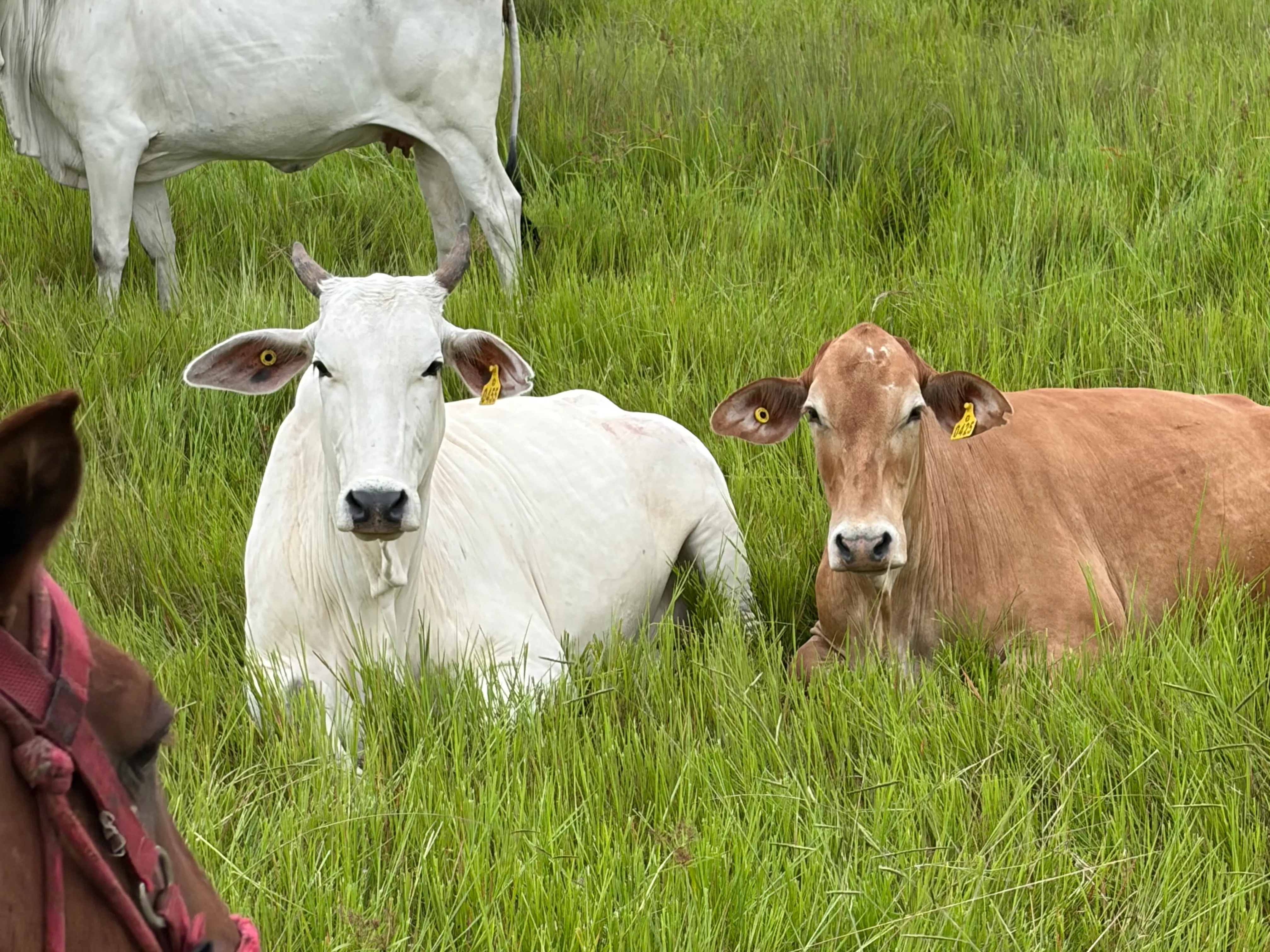
The cattle operations registered the weaning of 727 calves during 2025, consistent with the yield per hectare of grass but affected by the abnormal drought during winter. The animal nutrition costs increased slightly as compared to the previous year but were compensated by a better price for beef in the market. Our previous infrastructure improvements and paddock subdivisions continued the effective herd rotation and efficient grass consumption. La Pradera maintained its certification as an Export Certified Ranch in compliance to all the sanitary requirements and inspections. Furthermore, in compliance of the sanitary policies for the prevention for Foot and Mouth Disease (FMD) and for Bovine Spongiform Encephalopathy (BSE), all our cattle transactions and animal transfers are individually registered and approved, without exception.
We are pleased to report that our operations are fully compliant to the highest ESG standards, in line with our corporate policies. Environmentally, we rely on naturally grown grass, we only use natural water sources and our free-range animals feed only on natural grass off the ground. Except for the vaccines required in compliance to sanitary regulations, our herd receives no feed supplements nor antibiotics or any other growth stimulants. Our infrastructure is increasingly powered by solar energy and we continue to use natural water from our springs at La Pradera
Agriculture
La Pradera agriculture expanded to 500 hectares which were planted with soybean. The yield at 2.2 ton/Ha was on average for the region reaffirming the good soil conditions and adequate rainfall Like the previous year, we faced the challenge of relying on rented equipment for planting, spraying and harvesting.